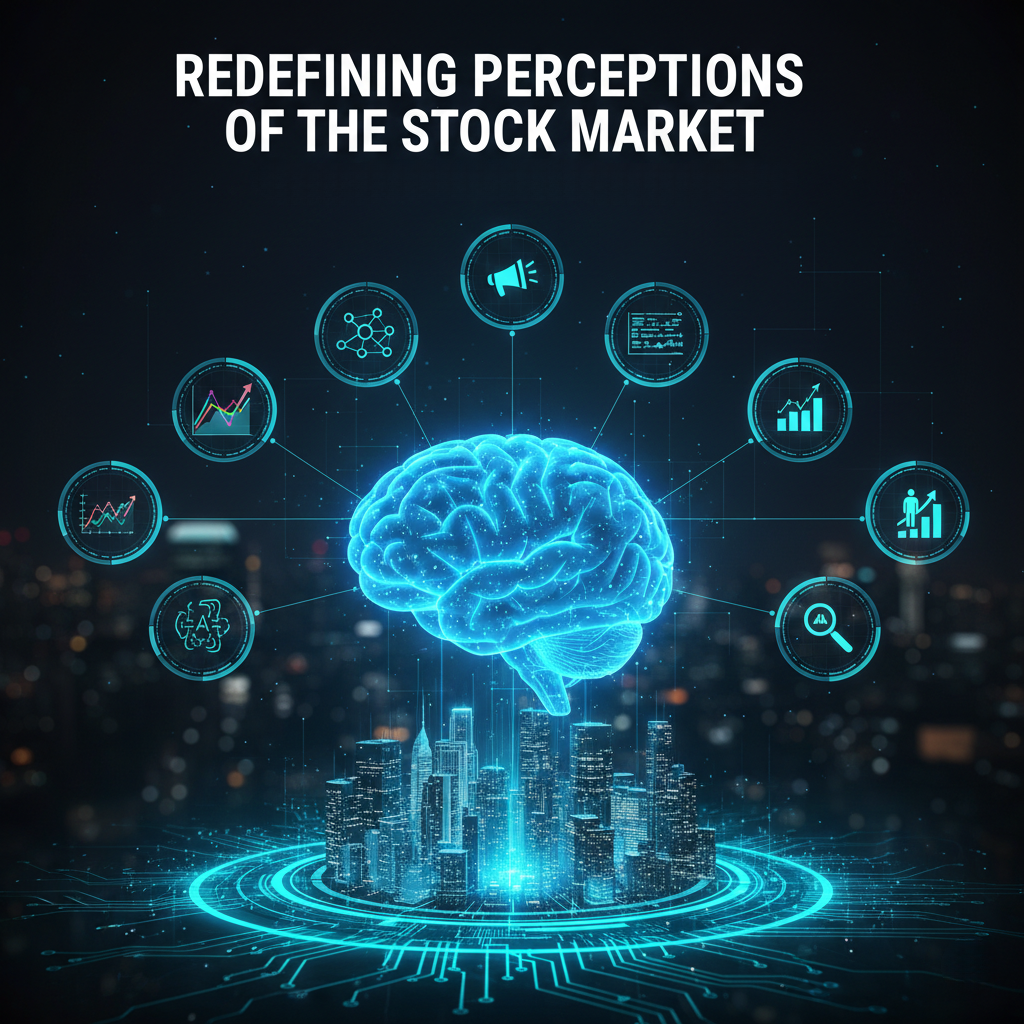
The stock market is surrounded by fear, confusion, and myths for so many people. Some see it as a gambling arena reserved for experts in suits. Others believe it is too risky, too complicated, or only meant for the wealthy. These perceptions have kept millions of individuals from participating in one of the most powerful tools for long-term wealth creation. It is time to change the way people think about the stock market.
The Stock Market Is Not Gambling
One of the most common misconceptions is that investing in the stock market is the same as gambling. While short-term speculation can feel like betting, true investing is fundamentally different. Investing is about owning a piece of real businesses—companies that produce goods, provide services, employ people, and generate profits.
When approached with research, patience, and discipline, investing is not about luck. It is about understanding value, growth, and time. The stock market rewards those who think long-term, not those who chase quick wins.
Risk Comes From Not Understanding
Another widespread belief is that the stock market is inherently too risky. In reality, risk often comes from lack of knowledge rather than the market itself. Investing blindly, following tips, or reacting emotionally to headlines increases risk dramatically.
Education changes everything. When people understand concepts like diversification, compounding, and market cycles, fear is replaced by confidence. Risk does not disappear, but it becomes manageable and purposeful.
Investing Is Not Only for the Rich
Many people assume they need a large amount of money to start investing. This belief is outdated. Today, with fractional shares, low-cost index funds, and digital platforms, anyone can begin investing with small amounts.
The real advantage in investing is not starting with more money—it is starting earlier. Time in the market matters far more than timing the market. Small, consistent investments made over many years can grow into significant wealth.
The Stock Market Reflects Human Progress
At its core, the stock market is a reflection of innovation, productivity, and economic growth. Over long periods, markets have grown alongside human progress—new technologies, improved healthcare, better infrastructure, and global connectivity.
Short-term volatility is natural, but long-term trends tell a powerful story: economies adapt, businesses evolve, and value is created. Seeing the stock market through this broader lens helps investors stay focused during temporary downturns.
From Fear to Ownership
Changing how people think about the stock market means shifting from fear to ownership. Instead of seeing prices moving up and down on a screen, people should see ownership in ideas, solutions, and progress. Owning shares means believing in the future of businesses and the economy.
This mindset transforms investing from something intimidating into something empowering.
A More Inclusive Financial Future
When people understand the stock market, they gain more control over their financial futures. Investing builds independence, reduces reliance on debt, and helps individuals participate in economic growth rather than watching from the sidelines.
Changing the narrative around the stock market is not just about money—it is about access, education, and opportunity.
Conclusion
The stock market does not need to be feared. It needs to be understood. By replacing myths with knowledge and emotion with strategy, we can change the way people think about investing. When viewed as a long-term partnership with businesses and progress, the stock market becomes what it was always meant to be: a powerful tool for building wealth and shaping the future.
Disclaimer: This article is for educational purposes only and does not constitute investment advice.