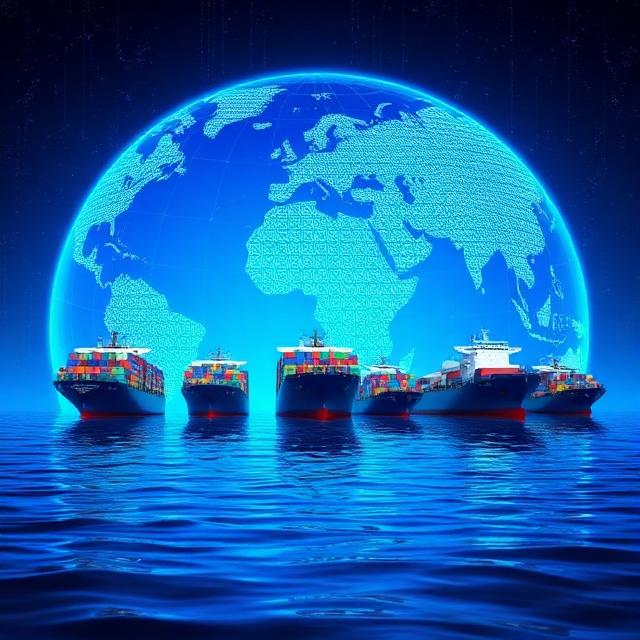
Dependence on imports has become a typical feature of most of the emerging economies in the context of a globalized economy. With the integration of the countries into the world trading systems, countries tend to be very dependent on imported goods and services to sustain a domestic demand, help the industry evolve, and find new technologies. Although, import dependency is capable of speedening the process of development and modernisation, emerging economies face high economic, political, and structural risks. This is because the policy-makers who want to achieve sustainable and resilient growth must understand the problems and prospects of import dependency.
Understanding Import Dependency
Dependency on imports is a situation in which a nation depends heavily on foreign sources of supply of crucial goods, services or inputs. This dependency can be in form of consumer products, capital items, intermediate inputs, energy resources, food or high tech technologies. In the case of emerging economies, import dependence is usually precipitated by inadequate national production power, technological differences, lack of adequate infrastructure and comparative costs advantages enjoyed by the foreign producers.
Import dependency in most situations represents rational economic decisions but in accordance to the concept of comparative advantage. Through importation of goods which are either most expensive or inefficient to manufacture within the country, the emerging economies are able to channel resources in other areas where they are most competitive in production. Nevertheless, overdependence or lack of control over it may destroy economic stability and national resilience.
Risks Associated with Import Dependency
- Exposure to External Shocks
One of the most significant risks of import dependency is vulnerability to external disruptions. Global supply chain breakdowns, geopolitical conflicts, pandemics, trade restrictions, or natural disasters can interrupt the flow of essential imports. Emerging economies that rely heavily on imports for energy, food, or industrial inputs may face inflationary pressures, production slowdowns, or shortages during such disruptions.
Recent global crises have highlighted how fragile international supply chains can be, disproportionately affecting economies with limited domestic alternatives.
- Balance of Payments Pressures
High levels of imports can place sustained pressure on a country’s balance of payments, especially when exports are insufficient to offset import costs. Persistent trade deficits may lead to foreign exchange shortages, currency depreciation, and increased reliance on external borrowing. For emerging economies with limited foreign reserves, this can escalate into broader macroeconomic instability.
Currency depreciation, while potentially improving export competitiveness, often increases the cost of imports, further straining domestic consumers and businesses.
- Inflation and Cost Transmission
Import-dependent economies are particularly susceptible to imported inflation. Rising global prices, exchange rate volatility, or higher transportation costs can quickly translate into higher domestic prices. This is especially problematic when imports include essential goods such as fuel, food, and medicines, as inflation disproportionately affects lower-income households and exacerbates inequality.
- Weak Domestic Industrial Development
Excessive reliance on imports can hinder the growth of domestic industries. When local firms struggle to compete with cheaper or higher-quality imported goods, investment in domestic manufacturing and innovation may decline. This can limit job creation, reduce technological learning, and trap economies in low-value-added activities.
Without strategic industrial policies, import dependency may reinforce structural weaknesses rather than facilitate long-term development.
- Geopolitical and Strategic Vulnerabilities
Dependence on a narrow set of trading partners or foreign suppliers for critical goods can create geopolitical risks. Trade sanctions, diplomatic tensions, or policy shifts in supplier countries can disrupt access to essential imports. For emerging economies, such vulnerabilities may limit policy autonomy and national security.
Opportunities Created by Import Dependency
Despite its risks, import dependency also presents important opportunities for emerging economies when managed strategically.
- Access to Technology and Capital Goods
Imports often serve as a key channel for technology transfer. Access to advanced machinery, equipment, and intermediate inputs enables emerging economies to modernize production processes, improve productivity, and integrate into global value chains. Many successful industrializers initially relied on imported capital goods before developing domestic capabilities.
- Consumer Welfare and Market Efficiency
Imported goods can enhance consumer welfare by expanding product choices, improving quality, and lowering prices. Exposure to international competition can also encourage domestic firms to improve efficiency, adopt new technologies, and raise quality standards.
This competitive pressure, when balanced with supportive policies, can strengthen overall market performance.
- Specialization and Comparative Advantage
Import dependency allows countries to specialize in sectors where they have comparative advantages, such as agriculture, natural resources, or labor-intensive manufacturing. By importing goods that are inefficient to produce domestically, emerging economies can focus on export-oriented industries that generate employment and foreign exchange.
This specialization can accelerate economic growth and integration into global markets.
- Integration into Global Value Chains
Participation in global value chains often requires importing intermediate goods and components. Import dependency in this context reflects deeper integration rather than weakness. Emerging economies that position themselves as reliable production hubs can benefit from knowledge spillovers, skills development, and access to international markets.
Over time, such integration can support industrial upgrading and diversification.
- Policy Learning and Institutional Development
Managing import dependency encourages governments to strengthen trade policies, customs systems, regulatory frameworks, and macroeconomic management. Exposure to global markets can foster institutional learning and improve governance, particularly when aligned with long-term development strategies.
Strategies for Managing Import Dependency
To maximize benefits while minimizing risks, emerging economies must adopt a balanced and strategic approach.
First, diversification of import sources is critical. Reducing reliance on a single country or region lowers exposure to geopolitical and supply chain risks.
Second, strengthening domestic production capacity in strategic sectors such as energy, food, pharmaceuticals, and critical inputs enhances resilience. This does not imply protectionism, but targeted support for sectors with strong spillover effects.
Third, export promotion and value addition are essential to offset import costs and improve the balance of payments. Moving up the value chain enables economies to earn more from exports and reduce vulnerability.
Fourth, investment in infrastructure, skills, and innovation helps domestic firms compete effectively with imports and participate more meaningfully in global value chains.
Finally, macroeconomic stability and sound exchange rate management are crucial to managing import costs and inflationary pressures.
Conclusion
Import dependency in itself is not good or bad to the emerging economies. It is a multi-faceted and dynamic aspect of globalization that poses a great threat and prospect. High dependency when unchecked would put the economies at the mercy of external shocks, inflation and structural fragility. Well tactically used, it may make it easy to transfer technology, enhance productivity and make the country competitive globally.
In case of emerging economies, it is seen that the major challenge is finding the right balance, to realise the advantage of global trade and at the same time develop capabilities and resilience at the same time. Diversification, industrial policy placement on strategic areas and integration to the higher value segments of the global economy can make import dependency a stepping stone to the sustainable and inclusive developments and not a limitation to the long-term developments.
Disclaimer
This article is intended for informational and educational purposes only. It provides a general analysis of import dependency in emerging economies based on economic theory, observed global trade patterns, and publicly available information.
The content does not constitute financial, trade, investment, legal, or policy advice, nor does it advocate for any specific economic, political, or regulatory approach. References to risks and opportunities are presented in a neutral and analytical context.
Readers are encouraged to conduct their own research and consult qualified professionals or relevant authorities before making economic or policy-related decisions. The author and publisher disclaim any liability arising from reliance on the information contained in this article.